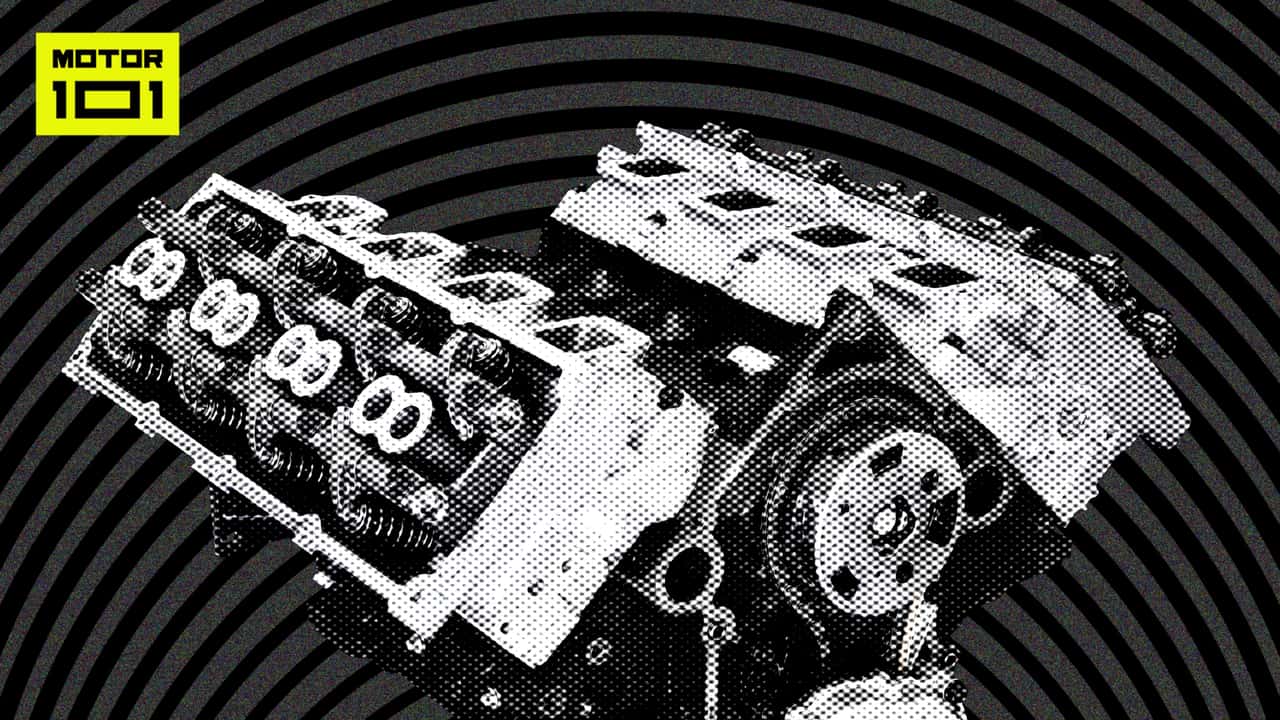
Horsepower vs. Torque: Why Your Engine's 'Muscles' Matter More Than You Think (And It's Not Just About Speed)

Alright, let's talk cars. Or, more accurately, let's talk about the mysterious forces that make cars go. You've heard the terms: horsepower, torque. They get thrown around constantly in car ads, enthusiast forums, even casual conversations about picking up groceries. But if you're like most people, including a slightly bleary-eyed tech writer at 3 PM on a Tuesday, the exact difference can feel a bit... fuzzy. Like trying to remember your Wi-Fi password after a long weekend.

So, what's the deal? Is one just a fancier way of saying the other? Is more always better? And why should we even care, beyond impressing your uncle who thinks he's a Formula 1 pit crew chief?

The Ol' Horsepower vs. Torque Tug-of-War

Let's break it down, plain and simple. Imagine you're trying to push a really, really heavy box across the floor. Like, a box full of lead bricks and your estranged aunt's antique porcelain doll collection. Heavy. The initial grunt you put into getting that box to budge? That's torque. It's the twisting force, the raw rotational power, the *oomph* that gets things moving. It's the feeling of digging your heels in and really pushing.

Now, once that box is moving, the effort you put in to keep it moving, and to get it moving *faster* across the room in a certain amount of time? That's horsepower. It’s a measure of how quickly work can be done. Think of it as sustained effort, or more precisely, the *rate* at which you're applying that twisting force. It's not just about pushing hard, but pushing hard, *consistently*, over a distance, and doing it fast. Horsepower is derived from torque and engine RPM, actually. It's not an independent measure; it's a calculation.

Still with me? Good. Because it matters. It really, really matters for how a vehicle feels, what it's good at, and how it performs in the real world.

So, Which One Wins?

Spoiler alert: neither. It's not a competition, despite what some petrolheads might tell you. They work together, like a highly caffeinated tech writer and their equally caffeinated editor. One generates the power; the other delivers it effectively. Torque is the muscle that gets you off the line, that pulls a heavy load, that helps you climb a steep hill without feeling like your engine is about to stage a dramatic exit. Horsepower, though, is what keeps you going at high speeds, what allows you to maintain momentum, and ultimately, what determines your top speed.

Think about a semi-truck. Massive torque. Absolutely colossal amounts of twisting power. Those things can pull houses, practically. But they're not winning any drag races, are they? That's because while they have incredible low-end grunt (torque), their engines aren't designed to sustain that power output at high RPMs for long periods, which is where horsepower really shines. Conversely, a high-revving sports car might have insane horsepower figures, but if it has less torque down low, it might feel a bit sluggish until the engine really gets wound up. My old beat-up Honda Civic, bless its heart, had decent horsepower for its class but a distinct lack of torque. Getting up to highway speed was... an exercise in patience. And downshifting. Lots of downshifting.

Actually, that's not quite right – it's not *less torque* necessarily, but often the peak torque is delivered at higher RPMs. So, you have to work the engine harder to find that sweet spot, whereas a diesel engine or an electric motor delivers its peak torque almost instantly, right from zero RPM. That's a huge difference in feel.

The Electric Revolution and What It Means for Torque

This is where things get really interesting, especially in the context of modern tech. Electric vehicles (EVs) have fundamentally shifted this conversation. An internal combustion engine (ICE) has a power band – a range of RPMs where it produces its best torque and horsepower. You have to rev it up to get to those peaks. That's why you shift gears, to keep the engine in its optimal operating range.

EVs? Totally different beast. Electric motors deliver 100% of their available torque from 0 RPM. Zero! Think about that for a second. Instant, unadulterated grunt the moment you touch the pedal. This is why even seemingly mundane electric cars can feel incredibly quick off the line. It's that immediate torque that shoves you back in your seat. Horsepower in an EV still dictates top speed and sustained high-speed performance, but the instantaneous torque delivery is a game-changer for day-to-day driving feel.

This instant torque isn't just about fun, either. It has practical implications. Towing, for example, is fantastic in EVs because that low-end pull is always there. Plus, the simplicity of a single-speed transmission (or very few gears) in many EVs further streamlines power delivery. No more hunting for gears, no more waiting for the turbo to spool up.

Why It Matters to You (Beyond Bragging Rights)

Understanding the difference helps you choose the right tool for the job. If you're hauling a boat, climbing mountain passes, or just enjoy that satisfying shove when you accelerate from a stoplight, you're going to want an engine with good torque, especially low-end torque. Think trucks, SUVs, or, increasingly, electric vehicles.

If you're more concerned with highway cruising, high top speeds, or track performance, horsepower becomes a more critical metric. Sports cars, luxury sedans designed for effortless high-speed travel, they tend to emphasize horsepower. For most daily drivers, a healthy balance is ideal – enough torque to feel responsive in traffic, and enough horsepower to merge onto the highway without breaking a sweat.

It also informs engine design. Manufacturers are constantly trying to squeeze more out of smaller engines, using turbochargers and superchargers to boost torque at lower RPMs, giving you that 'big engine' feel without the fuel consumption. This is a subtle but profound shift in automotive engineering, driven by both performance demands and environmental regulations. It's all about optimizing that twisting force and the rate at which it's delivered.

So next time you hear someone rattling off engine specs, you'll know that horsepower is the sprinter's long-term endurance, and torque is the weightlifter's immediate power. Both are crucial, both are impressive, but they deliver their thrills in very different ways. And frankly, the rise of electric vehicles is just making the torque story even more compelling.

🚀 Tech Discussion:

What do you prioritize in a vehicle – that instant shove of torque or the sustained power of horsepower? And has the rise of EVs changed your perspective on what makes a 'powerful' car?

Generated by TechPulse AI Engine

When Logistics Gets Its Groove On: CargoSprint's Dray Dog Deal and Why You Should Care (Even If You Don't Ship Containers)

Alright, confession time. Some tech news hits my inbox and I'm like, 'Yeah, cool, another acquisition.' You know the drill. But then, every now and then, something pops up that makes my slightly-caffeinated brain perk up a bit more. Like this one: CargoSprint just scooped up Dray Dog. Dray Dog. Sounds like a cartoon character, right? Or maybe a really determined canine mascot for a delivery service. But no, it's actually a pretty significant move in the utterly massive, often-invisible world of global shipping logistics.

The headline itself is a bit dry, I'll admit: 'CargoSprint acquires Dray Dog to strengthen drayage visibility and streamline port and payment operations.' My eyes glazed over a touch at 'drayage visibility,' not gonna lie. But let's unpack that, because it’s a big deal. A really, really big deal. Especially if you've ever, say, ordered something online and watched the tracking update go from 'out for delivery' to 'delayed due to unforeseen circumstances.' Or worse, no update at all.

So, What Even *Is* Drayage? And Why Does It Need a Dog?

Okay, let's simplify. Think of drayage as that crucial, often overlooked, last-mile (or first-mile, depending on your perspective) leg of a container's journey. It's when a shipping container gets picked up from a port or railyard and moved by truck to its immediate destination – usually a warehouse or distribution center. Or, conversely, when an empty container is brought back. It’s not the long-haul across states; it’s the short, precise, often incredibly chaotic ballet right at the point of entry or exit.

And chaotic is the operative word here. Ports are bustling, complex beasts. You've got ships coming and going, cranes swinging, trucks queueing, customs forms, security checks, specific time slots, unexpected delays... it's a lot. A literal ton of variables. And when you don't know exactly where your container is in that mess, or when your truck can actually pick it up or drop it off, well, that's where the 'lack of visibility' kicks in. It causes bottlenecks. Massive, expensive bottlenecks. Believe me, no one likes a bottleneck, especially not in logistics. It's just bad for everyone, really.

The Problem: A Black Box at the Port's Edge

For too long, this drayage process has been a bit of a black box. Shippers and logistics providers often lacked real-time updates. They'd know their container arrived at the port, and they'd know it eventually left, but the in-between? That was often a guessing game. 'Is the driver stuck in traffic?' 'Did they miss their slot?' 'Is the paperwork holding them up?' This lack of clarity leads to wasted time, wasted fuel, and a whole lot of frustration. And money. Lots of money.

I remember this one time, working on a project years ago where we needed a specific, oversized component shipped. It landed at the port, and then... silence. For three days. Just 'at port.' We couldn't get a definitive answer on when it would move. The project was on hold, costs were mounting, and all we could do was call and email, hoping someone, somewhere, had an update. It was infuriating. That's the kind of pain point solutions like Dray Dog are designed to address.

Enter Dray Dog: Shining a Light on the Chaos

Dray Dog built technology that brings that crucial visibility to the drayage process. Think of it as GPS for your container's last-mile journey, but with a whole lot more intelligence packed in. It helps track trucks, manage appointments, and crucially, gives real-time updates on what's happening. It connects the dots between the various players: the port, the trucking company, the freight forwarder, and the ultimate shipper. It's like turning on the lights in a very dark, very important closet.

CargoSprint, on the other hand, is known for its broader logistics and payment platform. They've been working on digitizing and streamlining payments and operations across the supply chain. So, when you put these two together, you start to see the bigger picture emerge. It's not just about tracking; it's about integrating that tracking data into a more seamless, digital workflow. From knowing where your container is, to knowing when the driver is cleared to pick it up, to making sure everyone gets paid efficiently.

The Implications: Beyond Just 'Better Tracking'

This acquisition isn't just about CargoSprint getting a cool new feature. It's about a fundamental shift towards a more transparent, efficient, and dare I say, *smarter* global supply chain. And that has ripple effects everywhere. Seriously, everywhere.

The Good:

  • Efficiency Gains: Less idle time for trucks, quicker turnaround at ports, optimized routes. This means faster movement of goods.
  • Cost Savings: Reduced demurrage and detention fees (those nasty charges for leaving containers at the port too long), lower fuel consumption from less waiting, better resource allocation. Money saved, which ideally, should eventually trickle down.
  • Reduced Stress (for some): Logistics managers and freight forwarders can breathe a little easier knowing where things are. Fewer frantic phone calls, more proactive problem-solving.
  • Environmental Impact: Less idling means fewer emissions. More efficient routing means less unnecessary driving. It’s a small piece of a much larger puzzle, but every bit helps.
  • Data, Data, Data: This increased visibility generates a wealth of data. Data that can be analyzed to find even more efficiencies, predict potential choke points, and optimize future operations. This is where AI and machine learning will really start to shine in logistics, building on this foundation.

The Less Good (or things to watch out for):

  • Consolidation: While efficiency is good, too much consolidation in any industry can lead to less competition. Hopefully, this drives innovation rather than complacency.
  • Barrier to Entry: Smaller players in the drayage space might find it harder to compete with these highly optimized, technologically advanced platforms. Will there be room for the mom-and-pop trucking operations?
  • Data Privacy/Security: With more data flowing through integrated platforms, the importance of robust cybersecurity measures becomes paramount. We're talking about the movement of physical goods, which often have sensitive information attached.
  • Dependency: As systems become more integrated and automated, what happens when something breaks? A single point of failure could have larger, cascading effects.

Ultimately, what CargoSprint is doing here, by integrating Dray Dog's capabilities, is chipping away at the 'unknowns' in a critical part of the supply chain. They’re making the invisible visible. And that, my friends, is a significant step towards a truly intelligent, adaptive logistics network. It's not just about moving boxes; it's about moving information, anticipating problems, and creating a smoother flow for everything from your new phone to life-saving medical supplies.

So, what do you think? Is this kind of specialized, deep-dive tech acquisition the real engine of progress in seemingly mundane industries like logistics? Or are we just papering over cracks in a fundamentally broken system?

🚀 Tech Discussion:

How much do you think these 'invisible' tech improvements in logistics truly impact the end consumer, beyond just faster shipping? Do we even notice until something goes wrong?

Generated by TechPulse AI Engine

Styx: Blades of Greed – Nailing Stealth After Nine Years of Silence (Who Knew?)

Alright, so I’m sitting here, staring at the screen, and this news pops up: 'Styx: Blades of Greed Is the Best-Reviewed Game in the Series.' My first thought? 'Wait, Styx is still a thing?' Not in a bad way, mind you. More like, 'Wow, that takes me back.' Because, let’s be honest, pure stealth games, the kind where you spend more time in shadows than in combat, have felt a bit like a relic lately, right?

The headline itself is a bit of a surprise, actually. It says there hasn't been a new Styx game for about nine years. Nine years! That's practically a lifetime in the gaming world. For context, nine years ago, we were all probably still obsessing over the PS4 launch or wondering if the Xbox One would ever catch up. A lot has changed since then. Open worlds became the norm, every game seemed to need RPG elements tacked on, and stealth often got relegated to an 'option' rather than the core gameplay loop.

The Goblin's Grand Comeback: What is Styx?

For those who might not remember our favorite grumpy goblin, Styx isn't your typical hero. Far from it. He's a master of shadows, a kleptomaniac, and generally, a bit of a jerk, but in a lovable, chaotic evil sort of way. The previous games, like 'Master of Shadows' and 'Shards of Darkness' (if 'Blades of Greed' is indeed the latest in that lineage, which it seems to be), carved out a niche for themselves by being unapologetically, unadulteratedly *stealth*. No real combat options, or at least, none you'd want to rely on. You were a squishy little goblin, and if you got caught, well, you were probably dead. Period.

That's what made them special, though. They demanded patience. They demanded observation. They forced you to think like a predator, albeit a very small, green, stabby one. You had to learn patrol routes, find hidden vents, use environmental distractions, and generally be a ghost. And now, 'Blades of Greed' comes along after this lengthy hiatus and apparently, it's the best one yet. That's not just good news for fans; it's a statement.

The Stealth Renaissance (Or Just a Really Good Game?)

So, what gives? Why is a pure stealth game, after nearly a decade, suddenly hitting all the right notes? I've got a few theories, and they probably intertwine. First, there's the 'absence makes the heart grow fonder' effect. When a genre becomes oversaturated, we get tired. When it fades into the background, we start to miss it. Think about the old 'Thief' games, or 'Splinter Cell' during its heyday. Those were experiences centered around the thrill of not being seen. Modern games often give you a 'stealth option,' sure, but it’s rarely as deep or as punishing as these dedicated titles.

My own experience, for instance, trying to ghost through a section in a recent AAA open-world game – you know the type, where you *can* sneak, but the game kinda wants you to go loud – it just doesn't feel the same. The AI isn't built for it, the level design often feels like an afterthought for stealth, and the tools are usually pretty basic. With Styx, the entire game is built around that core mechanic. Every level, every enemy, every ability is designed to serve the purpose of pure, unadulterated stealth. Maybe gamers are just hungry for that kind of focused, deliberate design again. A palate cleanser, if you will.

Also, let's talk about the 'greed' part of the title. If it's leaning into Styx's thieving nature, that could be a fantastic hook. Giving players clear objectives tied to high-value targets or artifacts, requiring intricate planning to acquire them without detection. That adds another layer of satisfaction beyond just getting from point A to point B unseen. It’s not just about survival; it’s about profit. Very goblin-like. Very, very Styx.

What Does This Mean for the Industry?

This success of 'Blades of Greed' carries some interesting implications. First, for Cyanide Studio, the developers, it's a huge win. A niche series, a long gap, and coming back stronger than ever? That's a testament to their dedication to the concept and, presumably, some solid refinement over the years. They didn't just churn out another sequel; they took their time, listened to feedback (I'm assuming), and really honed the experience. That patience, that commitment to a vision, is admirable in an industry often driven by quick turnarounds and iterative releases.

Second, and perhaps more broadly, it sends a message to other developers and publishers: niche genres aren't dead. Not by a long shot. There's an audience for focused experiences, even if they don't appeal to the widest possible demographic. Not every game needs to be a billion-dollar blockbuster designed for mass appeal. Sometimes, serving a dedicated fanbase with a high-quality, genre-defining title is enough. More than enough, actually. It means more diversity in the market, which is always, always a good thing for players.

Could this spark a mini-revival for pure stealth? I mean, who knows? I'm not going to hold my breath for a new 'Tenchu' tomorrow, but it certainly opens the door. It might encourage other studios to look at their dormant IPs, or even new ideas, that focus on a single, well-executed gameplay style rather than trying to be a jack-of-all-trades. Maybe we'll see more games that really challenge players, that punish mistakes, and that reward careful planning and execution. That would be, honestly, fantastic. We need more of that. The feeling of pulling off a perfect, ghost-like run in a game like Styx is just unmatched. Utterly unmatched.

It also reminds us that innovation doesn't always mean inventing a completely new mechanic. Sometimes, it means taking a tried-and-true formula, stripping away the bloat, and polishing it until it shines. Making it the absolute best version of what it sets out to be. And that seems to be what 'Styx: Blades of Greed' has managed to do.

So, here we are. A grumpy goblin, a nine-year wait, and suddenly a critical darling. It’s a good story, and it makes me genuinely happy for the team behind it. It's proof that sometimes, the quietest entries can make the biggest impact. It just goes to show, you can't keep a good, sneaky goblin down forever.

🚀 Tech Discussion:

What do you think 'Styx: Blades of Greed's' success means for niche game genres, or even the broader gaming industry? Is it a sign of a stealth revival, or just a one-off hit?

Generated by TechPulse AI Engine

Bitcoin vs. Reality: When Tariffs, Rates, and Goldman Sachs Collide at $67K

So, Bitcoin, right? Always something.

You’d think after all this time, all the volatility, all the moon shots and the sudden dives, we’d have a handle on it. But no, Bitcoin, bless its decentralized heart, continues to be this fascinating, frustrating, utterly compelling beast. And lately, it’s been dancing around the $67,000 mark, which, by itself, isn’t really news. It’s what’s pulling its strings that’s the interesting bit. Or, more accurately, who.

Because right now, we’ve got a cocktail of old-world politics and traditional finance having a very direct impact on our favorite digital gold. We’re talking Trump tariffs stirring up trade deficit fears, which, naturally, gets everyone thinking about interest rates. And then, just for a little sprinkle of irony, you have the CEO of Goldman Sachs casually confirming he holds a bit of Bitcoin. What a world, eh?

The Echo Chamber of Tariffs and Interest Rates

Let’s unpick this a little. Trump, tariffs – it’s a familiar tune, isn’t it? The idea of slapping import duties on goods, especially from places like China, is meant to protect domestic industries, reduce trade deficits. Problem is, it also tends to make things more expensive for consumers, can slow down global trade, and generally creates a ripple of economic uncertainty. And that uncertainty, that chatter about trade deficits, it inevitably funnels into the Federal Reserve’s favorite topic: interest rates.

Think about it: if the economy looks like it might be overheating, or if inflation risks are creeping up due to supply chain disruptions (which tariffs can exacerbate), the Fed might feel more pressure to keep interest rates higher, or at least not cut them as quickly as some might hope. And higher interest rates? Not a friend to risk assets. Not usually. When you can get a decent, relatively safe return on bonds or in savings, the allure of volatile assets like Bitcoin can diminish. People just become a little less willing to gamble, you know?

It’s a classic macro-economic play, really. And for a long time, the crypto faithful believed Bitcoin was somehow immune to all this. A separate financial universe, detached from the whims of governments and central banks. Actually, 'immune' might be too strong a word – more like 'less susceptible.' But as Bitcoin matures and its market cap grows, it’s becoming increasingly clear that it’s not just a niche digital curiosity anymore. It’s a significant asset, and significant assets tend to get dragged into the messy currents of global economics and politics.

Goldman Sachs: The Elephant in the Room (with a Bitcoin Wallet)

Now, let’s pivot to the other side of this bizarre coin: David Solomon, the CEO of Goldman Sachs, admitting he owns a 'small amount' of Bitcoin. Small amount, sure. But the *who* is what matters. Goldman Sachs. The epitome of traditional, old-guard finance. The institution that, not so long ago, probably viewed Bitcoin with a mixture of suspicion and thinly veiled disdain.

This isn't just some tech bro on Twitter. This is a guy at the helm of one of the world's most influential investment banks. His personal holding, even if modest, sends a powerful signal. It says, 'Hey, this isn't just for the wild west anymore. It's a legitimate, albeit volatile, asset that even someone like me, who deals with trillions, sees some value in.' It’s an implicit nod of approval, a quiet acknowledgment that Bitcoin has crossed a threshold. It’s not going away. It’s here. And it’s not just for the fringe anymore.

It reminds me a bit of when institutional investors first started dipping their toes into commodities like gold or oil. There’s a period of skepticism, then cautious exploration, then integration. We’re deep into the integration phase now, even if it feels like a rocky ride sometimes.

The Push and Pull: Implications for Bitcoin's Future

So, what does this tell us about Bitcoin's journey? Well, a few things. First, its price action is increasingly influenced by macro-economic factors. Tariffs, inflation data, interest rate decisions – these are no longer distant whispers but direct drivers. This is both a blessing and a curse. A blessing because it means greater recognition and integration into the global financial system. A curse because it means Bitcoin is subject to the same old, often unpredictable, political and economic machinations that plague traditional markets.

The idea of Bitcoin as a completely uncorrelated asset, a pure hedge against everything else, seems to be eroding, at least in the short to medium term. When the dollar strengthens due to rate hikes or geopolitical concerns, Bitcoin often feels the pinch. It’s not entirely a safe haven in the way some hoped, or at least, not yet. It’s still a relatively young asset, remember, and it’s still finding its feet in a very complex world.

Then there’s the institutional embrace. The Goldman Sachs CEO's admission isn't an isolated incident. We've seen BlackRock, Fidelity, and others launching Bitcoin ETFs. This influx of institutional capital brings liquidity, legitimacy, and a broader investor base. But it also means Bitcoin's price movements are now subject to the sophisticated (and sometimes cynical) trading strategies of these giants. It’s a double-edged sword, really. More money, but also more conventional market dynamics.

It's a curious duality. We have the foundational promise of decentralization, of a system free from governmental meddling, rubbing up against the very real and immediate impact of a former US president's policy suggestions. And then the validation from the very institutions it sought to disrupt. A bit of a head-scratcher, really, if you think about it too much before your second coffee.

The wavering around $67K isn't just about technical charts or whale movements anymore. It's a reflection of these broader forces colliding. It's the digital frontier meeting the geopolitical landscape. It’s the wild west of crypto getting paved over, bit by bit, by Wall Street and Washington. The question isn't just where Bitcoin is going, but what it's becoming in the process.

🚀 Tech Discussion:

Given how deeply political and traditional economic factors are now influencing Bitcoin, can it ever truly fulfill its original promise of being a completely separate, apolitical financial system? Or is it destined to be just another asset, albeit a digital one, subject to the same old forces?

Generated by TechPulse AI Engine

Avowed on PS5: Redemption Arc or Just a Polished Port?

Wait, Avowed is on PS5 now? And it's... good?

Okay, so I just saw the headlines popping up, and honestly, a part of me did a double-take. Avowed, the new RPG from the legendary Obsidian Entertainment – you know, the folks behind Fallout: New Vegas and Pillars of Eternity – making its way to PlayStation 5. And not just that, but the dev team openly talking about addressing its “biggest criticism” for this new launch. My first thought? Good on them. My second thought, a more cynical one, I admit, was: What criticism? And why did PS5 players have to wait for the *fixed* version?

It's an interesting move, right? For a game that was pretty much seen as a tentpole Xbox/PC exclusive, this PlayStation port isn't just a simple platform expansion. It feels like a statement. A quiet acknowledgment of a bumpy start, perhaps, wrapped in a shiny new cross-platform bow. And frankly, it's something we don't always get in this industry, this level of candidness about initial missteps.

The Obsidian Legacy and the Fickle Finger of Feedback

Let's rewind a bit. Obsidian Entertainment. These guys have a reputation. A well-earned one. They're known for deep, choice-driven RPGs with fantastic writing and intricate worlds. I've personally sunk hundreds of hours into their games, lost in the lore and consequences of my actions. So, when Avowed was announced, there was a collective gasp of excitement from RPG fans. A new first-person RPG in the world of Eora? Sign me up!

But then, when it first hit Xbox and PC, the feedback wasn't universally glowing. Good, yes, but not the 'instant classic' status some might have hoped for. PC Gamer specifically highlighted that Obsidian was 'surprised' players bounced off 'one of the RPG's most important systems.' That's a quote, by the way, and it really stuck with me. Surprised. It tells you a lot about the disconnect that can happen between a developer's vision and player experience. They poured their hearts into it, surely, but something just... didn't land.

What was it, exactly? The news isn't super specific, which is kind of Obsidian's style – let the game speak for itself. But my money's on something fundamental to the core gameplay loop. Maybe the combat felt clunky? Or perhaps the progression system wasn't as intuitive or rewarding as it should have been? RPGs live and die by their systems. If players aren't connecting with how they play, how they grow, how they interact with the world, then even the best writing can't save it. It's like having a gorgeous car with a finicky engine. You might admire it, but you're not going to enjoy the drive.

The 'Anniversary Update' and the PS5 Launch: A Second Chance

Now, this is where it gets interesting. Obsidian didn't just shrug and move on. They listened. And they've apparently baked a whole lot of fixes and improvements into what they're calling a 'Massive Update' – conveniently timed with the PS5 launch. Push Square reports that the Avowed dev hopes this 'biggest criticism' has been fixed for the PS5 crowd. That's a pretty strong statement of intent.

Think about it. They're not just porting the game. They're re-launching it, in a sense, on a brand new platform, with a significant overhaul. It's almost like a director's cut, but instead of just adding deleted scenes, they're re-shooting some of the more problematic ones. PlayStation LifeStyle's review headline, "Obsidian Action RPG Was Worth the Wait," seems to corroborate that these changes have made a real difference. It implies a sense of vindication, a feeling that the game has finally reached its potential.

This whole scenario feels a bit like when a TV show has a rough first season but gets renewed, and the showrunners take all the feedback to heart, coming back stronger. And you know what? That's commendable. It takes a certain humility to say, "We got some things wrong, and we're going to fix them." Especially for a studio with Obsidian's pedigree. They could have easily just pushed out a straight port and called it a day, banking on their name. But they didn't. They chose to iterate, to refine, to make it better.

Wider Implications: What Does This Mean for Gaming?

The fact that Avowed, an Xbox Game Studios title, is now on PlayStation 5 also speaks volumes about the shifting landscape of platform exclusivity. We've seen more and more games making the jump lately. It's a win for players, no doubt. More people get to experience great games, regardless of their console allegiance. It's also probably a smart business move for Microsoft, expanding their reach and revenue streams beyond their own hardware.

But it also highlights a growing trend in game development: the idea of a game as a living, evolving product. Initial launch is no longer the final word. It's just the beginning. Developers are increasingly expected to listen to feedback, patch, update, and even overhaul core systems post-release. For single-player RPGs, traditionally a 'fire and forget' kind of experience, this is a significant shift. And frankly, it’s a double-edged sword.

On one hand, it's great! We get better games. Developers can respond to their communities. Who doesn't want a game that gets polished and improved over time? On the other hand, it also subtly encourages a 'release now, fix later' mentality. It means early adopters are, in a way, beta testers, experiencing a less refined version of the product. And that can be a tough pill to swallow, especially when you've pre-ordered or bought a game at full price on day one.

The Avowed situation feels like a positive example, though. It seems like the team genuinely went back to the drawing board to address fundamental issues, not just bug fixes. And the timing of the "Anniversary Update" with the PS5 launch gives those new players a truly enhanced experience right out of the gate. A second bite at the apple, you could say. And a much juicier one, apparently.

So, yeah, I'm genuinely curious to see how this plays out long-term. Is this the new standard? Will more studios take a page out of Obsidian's book and openly address core criticisms with significant post-launch updates and cross-platform expansions? It's a brave new world, folks. And sometimes, a slightly tired tech writer like me just wants to play a game that feels finished and fantastic from the get-go. But hey, I'll take a polished gem, even if it took a little extra time in the forge.

🚀 Tech Discussion:

What do you think about games launching on a new platform with significant updates that address original criticisms? Is it fair to early adopters, or a sign of healthy post-launch development?

Generated by TechPulse AI Engine

The AI Gold Rush: Why 'Jobs and Investment' Isn't Always a Green Light for Data Centers

Alright, so picture this: you hear about a shiny new tech development rolling into town. Something big. Something with 'AI' in the name, which, let's be honest, immediately conjures images of futuristic silicon valleys, brilliant minds, and, of course, high-paying jobs. It’s the dream, right? Economic boom time. Everyone wins.

Except, well, sometimes it’s not quite that simple. And that’s exactly what seems to be playing out in a place called Armour Township, within Ontario’s Almaguin Highlands. They're looking at a proposed AI data center, and while the developers are waving the banner of 'major investment' and 'high-paying tech jobs' (and who wouldn't want those?), the local council? They're hitting the brakes. Hard. They want to study potential noise and land-use impacts. And honestly, good for them. It’s a conversation we all need to be having, not just in small townships but everywhere these digital behemoths decide to plant their flag.

So, What Even *Is* an AI Data Center?

Before we dive too deep into the local politics, let's just quickly touch on what we're actually talking about here. When you hear 'AI data center,' don't just think of your typical server farm, humming away quietly in some industrial park. No, no. These are a different beast entirely. We're talking about facilities packed, absolutely crammed, with specialized hardware. Think GPUs – graphics processing units – but not just for making pretty video games. These are the workhorses for crunching unimaginable amounts of data, training complex AI models, running simulations, and making all those smart assistants and recommendation engines actually *smart*.

And these GPUs? They generate heat. A LOT of heat. Which means they need serious, industrial-grade cooling systems. We're talking massive fans, intricate liquid cooling setups, sometimes even direct-to-chip cooling solutions. All of this requires an enormous amount of electricity, obviously. And, crucially for Armour Township, it makes a heck of a lot of noise. A constant, low-frequency hum, often described as a jet engine at idle, or a massive industrial fan running 24/7. Not exactly the soothing sound of nature you might expect in the Almaguin Highlands, right?

The Allure of the 'AI Boom'

It's easy to see why a community, especially a smaller one, would be tempted. 'High-paying tech jobs'? That's gold. It's the kind of thing that can keep young people from leaving for bigger cities, can bring new families in, can revitalize local economies. And 'major investment'? That means property taxes, infrastructure upgrades, maybe even community sponsorships. It paints a picture of progress, of being at the cutting edge. It sounds like a no-brainer. A win-win, even.

I remember talking to a friend who lives near a smaller data center, not even an AI-focused one, and the local government was so thrilled at the prospect. They promised dozens of new jobs. Turns out, once it was built and operational, the number of *direct* jobs was pretty minimal – a handful of highly skilled technicians, maybe some security personnel. Most of the construction jobs were temporary, as expected. The ongoing operational jobs? Not nearly as many as initially touted. It's a common story, actually. These facilities, once built, are often highly automated. They’re not manufacturing plants requiring hundreds of hands-on workers.

The Council's Caution: More Than Just 'NIMBYism'

So, when Armour Township’s council urges caution, it’s not necessarily a knee-jerk 'Not In My Backyard' reaction, though I'm sure some folks will label it that. This is about due diligence. This is about understanding the *true* cost and impact, not just the glossy brochure version. They're looking at noise, which can seriously affect quality of life for nearby residents. Imagine trying to enjoy a quiet evening on your porch with that constant hum in the background. Or trying to sleep. It's a big deal.

Then there's the land-use impact. Where does it go? How much land does it gobble up? Is it replacing natural areas? Is it disrupting existing community plans? And what about the infrastructure? These places need massive power grids, potentially new water supplies for cooling, and robust fiber optic connections. Can the local infrastructure handle that strain? What's the environmental footprint? We’re not just talking about a bit of concrete; we’re talking about massive energy consumption, potentially significant water usage, and the carbon emissions associated with all of it. The irony is, AI is often touted as a solution for climate change, but the infrastructure it requires has its own considerable footprint.

The Hidden Costs of Progress

This isn't just about Almaguin, really. This is a microcosm of a larger global challenge. As AI becomes more ubiquitous, as our digital lives expand, the physical infrastructure needed to support it grows exponentially. We're talking about a literal arms race for computing power, with massive data centers popping up everywhere. And each one of these facilities demands resources: land, water, and an almost insatiable appetite for electricity. My energy bill is high enough already, can you imagine the power required to run one of these places? It's mind-boggling.

We often forget that the cloud isn't some ethereal, weightless thing. It has a physical presence. A very, very large and resource-intensive physical presence. And communities like Armour Township are at the forefront of grappling with the reality of hosting a piece of that 'cloud.' They're being asked to balance the undeniable economic benefits – the 'jobs and investment' – against the very tangible environmental and quality-of-life impacts. It's a tough call.

It's also about transparency. Developers often focus on the benefits, which is fair. But it's up to local governments, and frankly, us as informed citizens, to dig deeper. To ask the uncomfortable questions. What's the *actual* long-term job creation? What are the precise decibel levels of the noise? What's the water consumption? What's the plan for power grid stability? What happens when this technology inevitably evolves and the center becomes outdated? These aren't just details; these are crucial pieces of the puzzle that determine whether a project truly benefits a community or just burdens it.

So, while the promise of AI is dazzling, and the potential for new tech jobs is exciting, the cautious approach by Armour Township council serves as a really important reminder. We need to look beyond the headlines and truly understand the ground-level implications of this accelerating digital future. Because progress isn't just about what we gain, it's also about what we might lose.

🚀 Tech Discussion:

What do you think is the right balance for communities facing proposals for large-scale AI data centers? How much weight should be given to economic benefits versus environmental and social impacts?

Generated by TechPulse AI Engine