
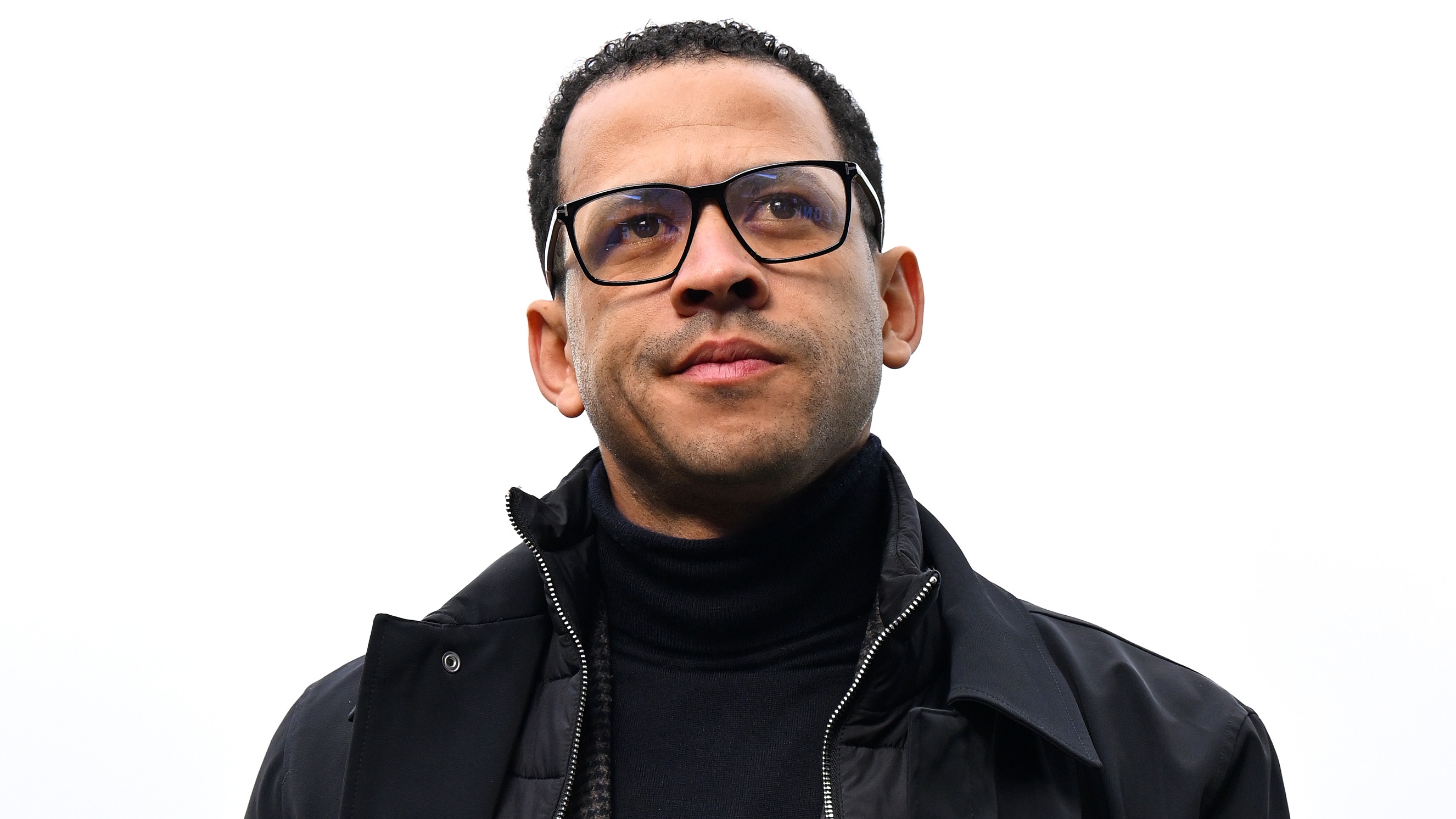
Alright, so I just got this prompt, right? And it says, 'Analyze and elaborate on this tech news: Hull vs Chelsea Free Streams: How to watch FA Cup 4th Round Tie 2025/26 as Liam Rosenior returns to face former club.' And my first thought, honestly? 'Hull vs Chelsea? That's… football. Not exactly bleeding-edge AI or quantum computing, is it?'
But then I stopped. Took a sip of my lukewarm coffee. And realized, actually, that's not quite right. While the *subject* is sports, the core of the request – 'Free Streams: How to watch' – that's pure tech. It's about delivery. It’s about infrastructure. It’s about the frantic, sometimes legally dubious, scramble for live content in a globally connected world. And that, my friends, is a rabbit hole worth diving down, even if it feels a little like I'm moonlighting as a sports commentator.
Because let’s be real. We've all been there. It’s a big game, a must-see event, and for whatever reason (maybe you're out of the broadcast region, maybe you don't want to pay for another subscription, maybe you just forgot), you're not where you need to be. So, what do you do? You open your browser, maybe a certain search engine, and type in something like 'Hull Chelsea free stream.' And then the adventure begins. What you're really doing, though, is engaging with a complex ecosystem of technology, legality, and human ingenuity (for better or worse).
The Unseen Plumbing: What Makes a Stream Actually Stream?
Think about it for a second. You're watching a live event – let's say Liam Rosenior making his triumphant (or not so triumphant, depending on the score) return. That video feed isn't just magically appearing on your screen. It’s being captured by cameras, encoded in real-time, then sent through a series of tubes – and yes, Senator Stevens, those tubes are very real – across continents, and finally decoded by your device. All in a matter of seconds. It's truly wild when you break it down.
At the heart of it are things called Content Delivery Networks (CDNs). These are massive, distributed networks of servers strategically placed around the globe. When you click play, you're not hitting one central server in, say, London. Instead, the CDN routes you to the server closest to you that has a copy of that video data. This minimizes latency – that annoying delay between what happens live and what you see – and ensures a smoother experience. Without CDNs, every time Man City scored, your stream would probably buffer for a good 30 seconds while the data chugged its way from Europe to, say, Australia. Not ideal for those nail-biting finishes.
Codecs, Bandwidth, and the Art of Compression
Then there's the magic of compression. A raw video signal is enormous. Sending that uncompressed across the internet would be like trying to push a supertanker through a garden hose. So, we use codecs (coder-decoder). These algorithms are incredibly clever, stripping out redundant information from the video and audio data without (hopefully) too much loss of quality. H.264 and now H.265 (HEVC) are the workhorses here, allowing us to send high-definition video with remarkably small file sizes. And the adaptive bitrate streaming? That's the tech that automatically adjusts the video quality based on your internet connection, so you don't get constant buffering even if your Wi-Fi is having a moment.
But when you're looking for a 'free stream,' you're often sidestepping these official, high-quality, CDN-backed systems. You're diving into a different world. A world where the stream might be re-broadcast from someone's TV camera phone (remember those days?), or a slightly more sophisticated, but still unauthorized, re-encoding and distribution. The quality dips, the latency increases, and you're often bombarded with pop-ups. It's a trade-off, isn't it?
The Darker Side of the Stream: Piracy, DMCA, and Digital Rights
This is where it gets spicy. The 'free stream' market, especially for live sports, is essentially a cat-and-mouse game between content owners (like the FA, broadcasters, and sports leagues) and unauthorized distributors. Broadcasters pay billions for exclusive rights, and they're not keen on people getting it for nothing. So, they deploy Digital Rights Management (DRM) technologies, constantly monitor for illegal streams, and issue takedown notices (DMCA requests) faster than a striker can score a hat-trick.
The tech involved in *blocking* these streams is just as fascinating as the tech for *creating* them. IP blocking, geo-restrictions (ever tried to watch something from outside your country and been met with that infuriating 'not available in your region' message?), and even watermarking video streams to trace their origin. It's an arms race, really. And the pirates, bless their technologically savvy hearts, are always finding new ways around it, often leveraging peer-to-peer (P2P) networks or cloud-based re-streaming services that are harder to shut down.
I remember one time, trying to watch a specific obscure curling match (don't ask) that wasn't available anywhere legally in my region. I spent literally an hour clicking through dodgy websites, closing pop-ups, installing and uninstalling suspicious browser extensions. It was a journey. And the stream I eventually found? It looked like it was filmed through a potato and kept freezing. Was it worth it? Debatable. But it highlighted the sheer tenacity on both sides of the streaming fence.
Implications: The Good, The Bad, and The Buffering
From a tech perspective, the drive for live streaming – legal or otherwise – has pushed innovation immensely. We have better compression, lower latency, more robust networks, and incredible real-time analytics for broadcasters. It democratizes access in some ways, allowing niche sports or local events to reach a global audience, bypassing traditional media gatekeepers. Think of the smaller clubs, like Hull, gaining exposure beyond their local fan base, even if it's via an unofficial route.
But there are downsides, obviously. For content creators, piracy is a huge financial drain, impacting their ability to invest in future content. For users, the risk of malware, privacy breaches, and just plain awful user experiences on unauthorized sites is high. And let's not forget the sheer energy consumption of all this global data transfer and storage. Every stream, every buffer, every search query has an environmental footprint.
The future, I think, lies in striking a better balance. More affordable, globally accessible legal streaming options would undoubtedly reduce the demand for illicit streams. Imagine a world where you could pay a small, reasonable fee to watch *any* football match, anywhere, without geo-restrictions or a dozen different subscriptions. Technically, it's totally feasible. Economically? That's where the real challenges lie, navigating the labyrinthine world of broadcast rights and exclusive deals.
So, the next time you're searching for that Hull vs Chelsea FA Cup tie in 2025/26, remember it's not just about two teams on a pitch. It's about a global, invisible battlefield of ones and zeros, codecs and CDNs, legality and piracy, all vying for your eyeballs. It's messy. It's complicated. And it's undeniably fascinating.
🚀 Tech Discussion:
Given the constant push and pull between content owners and those seeking 'free' access, what do you think is the ultimate endgame for live event streaming? Will it ever be truly open, or will the gatekeepers always win?
Generated by TechPulse AI Engine