
Ever feel like you're watching a chess game unfold in slow motion, but with real money and digital assets?
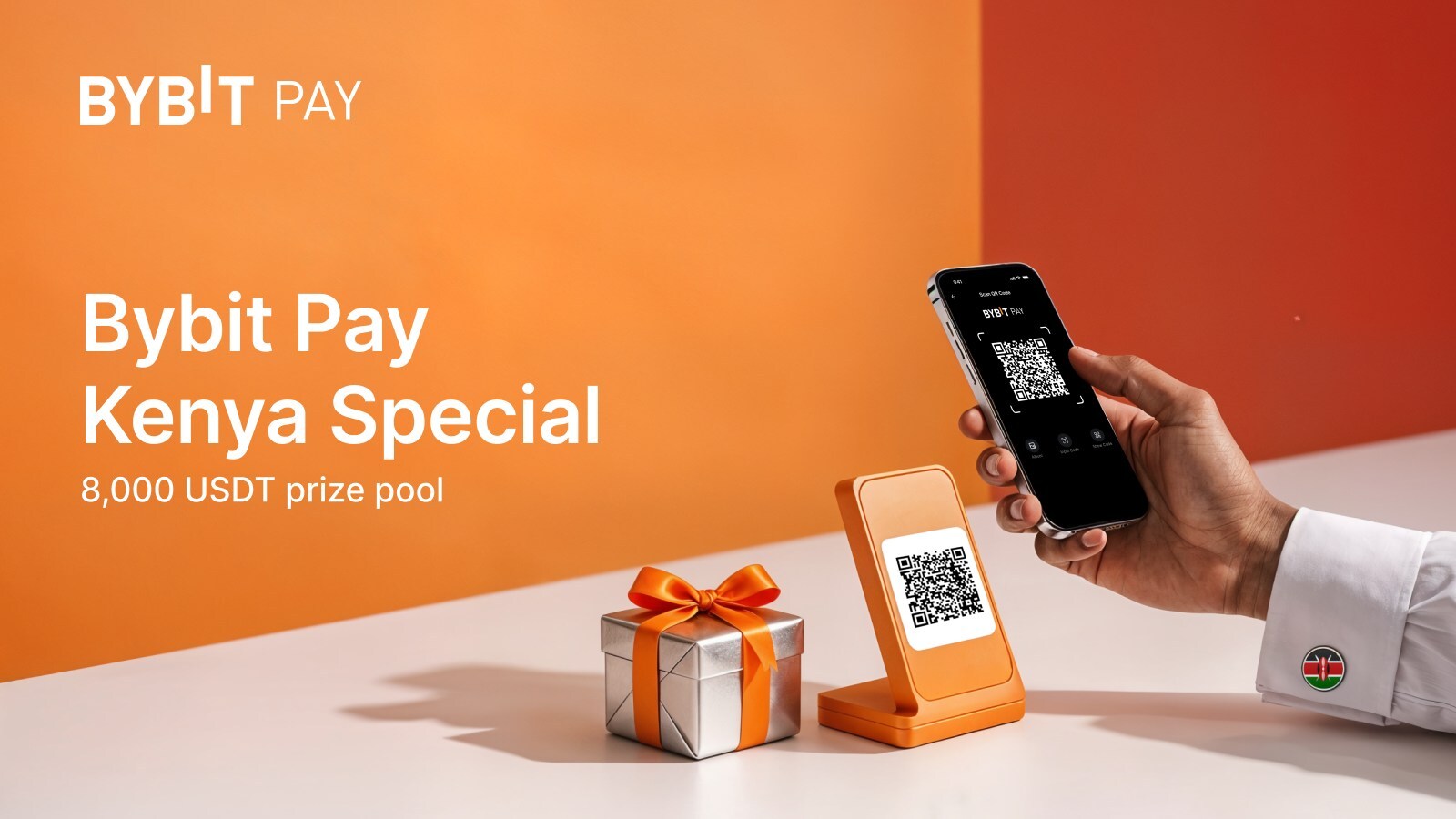
That's often how I feel tracking the crypto world, especially when it comes to emerging markets. You see these strategic moves, these little pushes into new territories, and you just know there's a much bigger game being played. The latest from Bybit, one of the big crypto exchanges out there (second-largest by volume, apparently, which, wow, they've grown), really got me thinking along these lines. They've just announced a limited-time offer in Kenya, dangling an 8,000 USDT prize pool for users and merchants engaging with Bybit P2P and Bybit Pay.
Now, 8,000 USDT isn't a life-changing sum for, say, a Silicon Valley venture capitalist, but in a market like Kenya? That’s real money. Significant money, actually. And it’s not just about the prize, is it? It's about what this move signifies. It's a spotlight on a fascinating convergence of technology, finance, and human need.
Unpacking P2P and Bybit Pay: Why Kenya?
So, what are we talking about here? Bybit P2P (peer-to-peer) and Bybit Pay. If you're not deep into crypto, P2P basically means you're buying or selling crypto directly with another person, often using local payment methods, rather than going through the exchange's order book. Think of it like a classified ad for crypto, but with an escrow service provided by the exchange to keep things honest. It's brilliant, really, for places where traditional banking infrastructure might be, shall we say, a bit... challenging. Or expensive. Or just plain slow.
Bybit Pay, on the other hand, sounds like their attempt to make crypto actually spendable. Like, in the real world. Think of it as a bridge from your crypto wallet to, well, anything that accepts a digital payment. The exact mechanisms aren't always transparent (is it card-based? QR codes? I need more coffee to dig into *all* the nuances sometimes), but the intent is clear: lower the friction for using crypto for everyday transactions.
Why Kenya, though? Well, Kenya is a mobile money powerhouse. M-Pesa isn't just a payment system; it's a way of life there. People are already incredibly comfortable with digital transactions, with moving money around on their phones, often bypassing traditional banks altogether. This isn't a population that needs convincing about the *concept* of digital money. They're already living it. So, introducing crypto in this environment? It's less of a leap, more of a sidestep into a new kind of digital asset. It makes a lot of sense, actually. A fertile ground for adoption.
The Prize Pool: Gimmick or Growth Hack?
Let's talk about that 8,000 USDT. Is it just a marketing gimmick? Sure, on one level. Every company runs promotions. But in this context, it feels like more. It's a direct incentive, a nudge. For users, it's a chance to get some free crypto just for doing what they might already be doing or considering. For merchants, it's an even bigger deal. They're the ones facilitating the liquidity, making these P2P trades possible. And Bybit needs them. They *really* need them. A thriving P2P ecosystem relies on a robust network of trusted merchants. So, rewarding them? Smart. Very smart.
I remember talking to a friend who lives in a country with strict capital controls. They use P2P platforms constantly to send and receive money, to convert local currency to USD via crypto, and back again. It's not just about speculation; it's about survival, about economic freedom in places where traditional systems might hinder it. The prize pool, then, isn't just about 'winning.' It's about incentivizing the *act* of using these tools, building habits, and ultimately, building a network effect.
Implications: The Good, The Bad, and The Uncharted
This push by Bybit, and others like it, has massive implications. On the positive side:
-
Financial Inclusion: This is the big one. For people unbanked or underbanked, crypto can offer a lifeline. A way to store value, send remittances faster and cheaper, and participate in the global economy without needing a traditional bank account. It's empowering. Truly.
-
Economic Opportunity: For P2P merchants, it can be a legitimate business. They're providing a valuable service, earning fees, and contributing to the local digital economy. It creates jobs, even if they're not traditional ones.
-
Innovation Catalyst: When you have a population already familiar with digital payments, introducing crypto can accelerate further innovation. Think about what developers might build on top of these rails. New services, new applications. It's exciting to imagine.
But let's be real. It's not all sunshine and rainbows. There are significant challenges:
-
Regulatory Headaches: Governments globally are still figuring out crypto. In some places, it’s embraced; in others, it’s viewed with suspicion or outright banned. Kenya's stance isn't always crystal clear, and the regulatory landscape can shift fast. This creates uncertainty for users and exchanges alike.
-
Scams and Fraud: P2P, while empowering, also has its risks. Scammers are always lurking, trying to exploit new users. Bybit has measures in place (escrow, dispute resolution), but no system is foolproof. Education is absolutely critical here.
-
Volatility: Crypto prices, especially for something like USDT (which is *supposed* to be stable, but even stablecoins have had their moments), can be volatile. For someone new to the space, a sudden drop could be devastating. It's a learning curve, and it can be a harsh one.
-
User Education: This is paramount. For crypto to truly take root and benefit people, they need to understand how it works, the risks involved, and how to protect themselves. A prize pool is great, but robust, accessible education is even better. Otherwise, we're just setting people up for potential heartbreak.
So, Bybit's move isn't just a small promotion. It's a calculated step in a much larger global strategy, aiming to tap into a digitally savvy population that is hungry for alternative financial tools. It's a fascinating snapshot of how crypto continues to weave itself into the fabric of economies outside the traditional Western financial hubs.
What's Next for Kenya and Crypto?
Honestly, I'm genuinely curious to see how this plays out. Will Bybit’s efforts in Kenya truly spark a broader adoption wave? Or will regulatory hurdles or user apprehension slow things down? It’s a delicate balance, trying to innovate while also ensuring safety and understanding. I think the key will be how well they manage that balance. How well they educate, how robust their safeguards are, and how they navigate the local landscape. It's a huge opportunity, but also a huge responsibility.
🚀 Tech Discussion:
What do you think about crypto exchanges focusing on specific regional markets like Kenya? Is this the future of mass adoption, or are there too many risks still? Share your thoughts below!
Generated by TechPulse AI Engine