
Wait, Did a Game Dev Actually *Listen*?
Okay, so let’s talk about AI art in games for a minute. Remember that initial buzz, the 'future is now!' vibe? And then, almost immediately, the collective groans. The slightly off proportions, the uncanny valley, the generic sameness that just… didn't feel right. It wasn't just about ethics for many; it was about the *feel*. The soul, if you will, or the lack thereof.
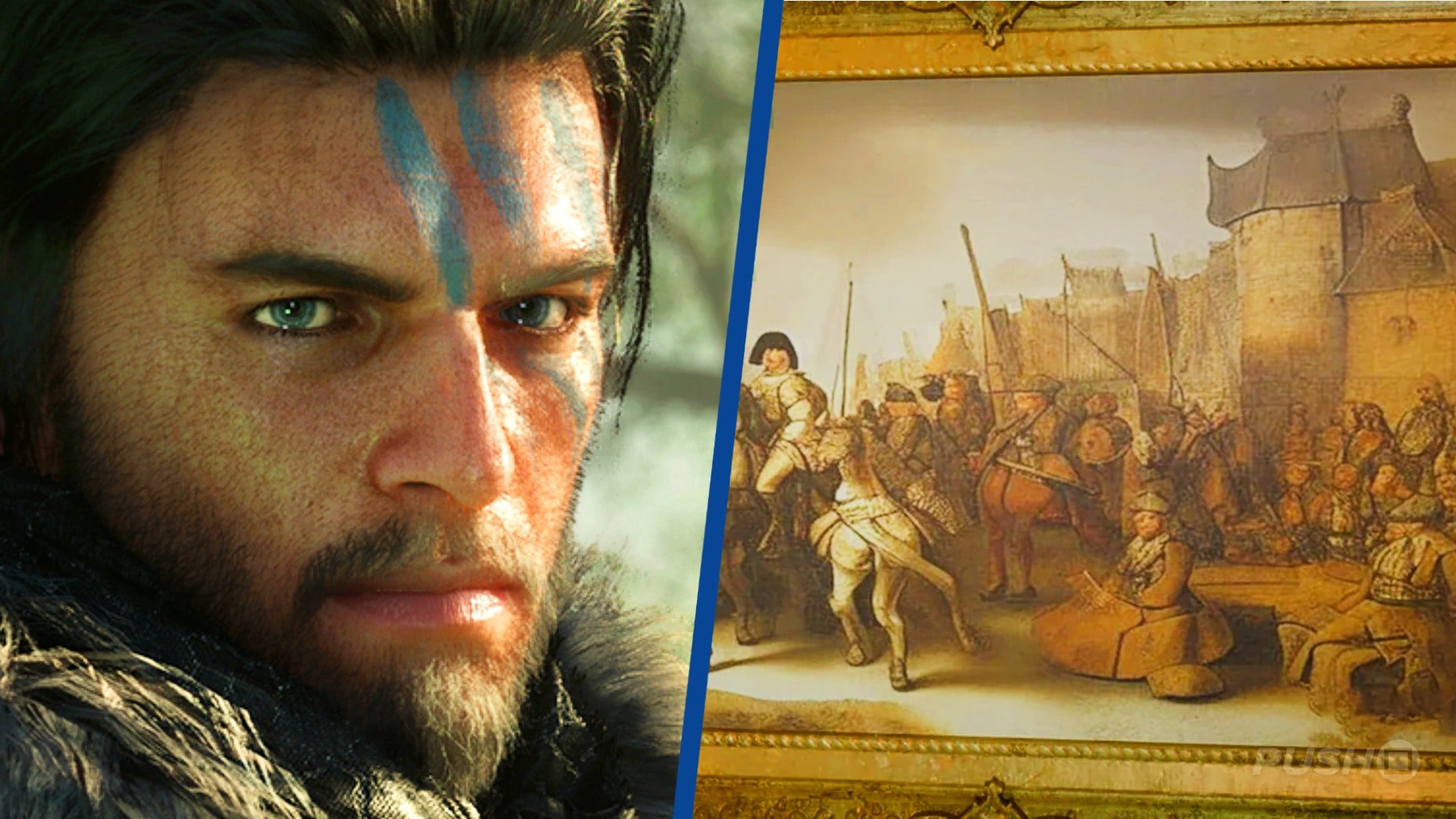
Well, here’s a piece of news that genuinely made me pause, spill a little coffee (don't worry, it was cold brew), and then actually smile: Pearl Abyss, the studio behind the upcoming MMO, Crimson Desert, has done something pretty remarkable. They've not just acknowledged the pushback against AI-generated art in their game; they’ve actually *replaced* it. Yeah, you heard that right. Stripped it out. Gone. Poof.
It was part of a major update, apparently. And, let's be honest, in the fast-paced, often-closed-off world of game development, a studio making a promise and then actually *keeping* it, especially when it involves a significant rollback of an asset type they probably thought would save them time and money? That's… that's almost unheard of. It took players a bit to confirm, digging through the patch notes, cross-referencing, but the verdict is in: the AI art is out.
The AI Art Debate: A Quick Detour
This whole situation with Crimson Desert isn't happening in a vacuum, of course. The debate around generative AI in creative fields, particularly art, has been raging for what feels like eons now. On one side, you have the efficiency argument. The speed. The sheer volume of assets that can be churned out. Imagine a small indie studio, strapped for cash, needing a thousand unique goblin portraits for an RPG. AI seems like a godsend, right?
But then, there's the other side. The artists, the designers, the folks who dedicate their lives to honing their craft. They see AI as not just a threat to their livelihoods, but to the very concept of artistic integrity. And let's not forget the ethical black hole of training data – often scraped from existing human art without consent or compensation. It's a messy, messy business. We've seen artists boycott games, community managers apologize, and even some studios double down on their AI usage, often to their detriment.
I mean, I get it. The temptation is there. Deadlines loom. Budgets shrink. And suddenly, this magical tool appears that promises to solve all your asset woes. It's like a siren song for developers, whispering sweet nothings about speed and cost-effectiveness. But as many have learned, those sweet nothings often turn into bitter complaints from your player base.
Why This Matters: More Than Just Pixels
So, why is Crimson Desert's move such a big deal? It’s not just about a few replaced images. It's about a few key things:
Player Trust and Community Engagement
First, it’s a massive win for player trust. Pearl Abyss listened. They heard the concerns, the complaints, the very real frustration, and they acted. In an industry often criticized for ignoring its community until it's too late (looking at you, countless live-service games), this sets a powerful precedent. It shows that player feedback, especially when it's united and passionate, can actually instigate change. This builds goodwill, and goodwill is priceless in the long run.
The Value of Human Artistry
Second, it re-emphasizes the irreplaceable value of human artistry. AI art, for all its technical prowess, often lacks that undefinable *spark*. The personality. The subtle imperfections that make something feel genuinely crafted. It's the difference between a meticulously hand-painted miniature and a 3D print that's been run through an AI texture generator. Both might look 'good' at a glance, but one has a story, a soul. This move by Pearl Abyss is a quiet, yet powerful, affirmation of that human touch. It’s a statement that sometimes, you just can’t shortcut creativity. You really can't.
Setting a Precedent (Maybe?)
Third, and this is where my curiosity really piques, could this set a precedent? Will other studios, seeing the positive reception to Pearl Abyss's move, reconsider their own AI art strategies? It's a risky bet, going back and replacing assets. It costs time. It costs money. Resources that most game developers are already critically short on. But the alternative – a continuously disgruntled player base, accusations of laziness, and a general erosion of trust – might be an even greater cost in the long run.
I’m not naive enough to think this means AI art is dead in games. Far from it. We'll still see it, in various forms, in various capacities. But this particular decision by Pearl Abyss feels like a significant data point in the ongoing evolution of how we, as consumers and creators, interact with generative AI. It's a moment where the balance of power, however briefly, shifted back towards the human element. And that’s something to celebrate, even if you’re a slightly tired tech writer.
Looking Ahead: Where Do We Go From Here?
The developer kept their promise. A rare and beautiful thing. They understood that the 'ugly' AI-generated paintings weren't just ugly; they were a symbol of a larger, more contentious issue. They listened, they acted, and they course-corrected. That takes guts. And probably a lot of extra hours for their human artists, which, kudos to them.
So, is this a turning point? Or just a temporary retreat in a much larger battle? I wonder. What does this decision mean for the next wave of games? Will more studios prioritize genuine, human-crafted art over the efficiency of AI? And more importantly, what do *you* think? Does this make you more likely to trust a game developer? Or is it just a drop in the ocean of AI's inevitable march?
🚀 Tech Discussion:
What's your take on Pearl Abyss replacing AI art? Does this decision restore your faith in game developers' willingness to listen, or do you think it's just a one-off given the specific backlash?
Generated by TechPulse AI Engine