
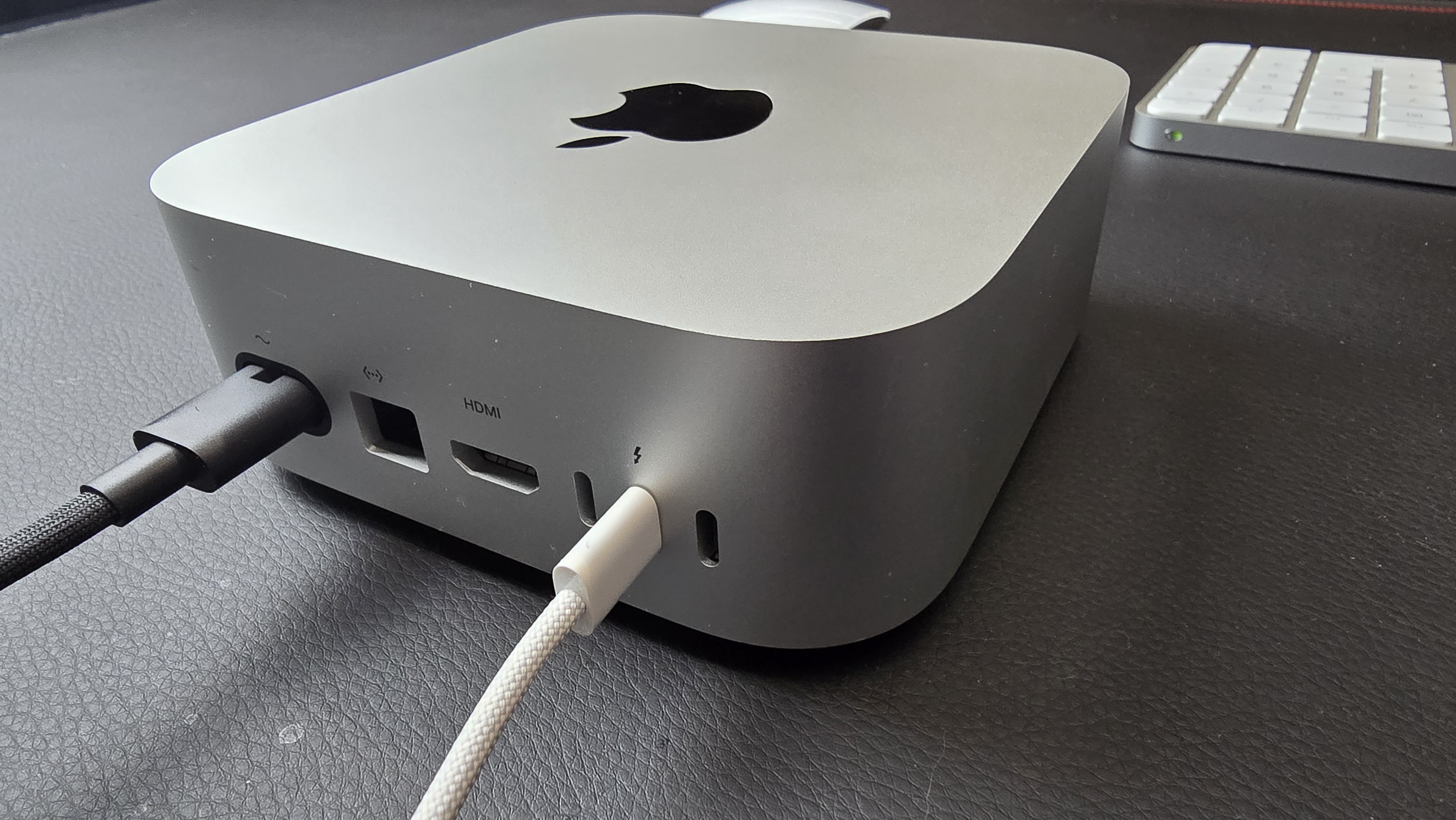
Why Mac mini and Mac Studio Are Suddenly Hard to Buy
Trying to order a new Mac mini or Mac Studio lately can be frustrating. Many buyers are seeing shipping estimates that stretch for weeks, sometimes longer. And no — it’s not because of a viral trend on :contentReference[oaicite:0]{index=0}. The real driver appears to be the rapid rise of local artificial intelligence workloads.
In simple terms, more developers, researchers, and tech enthusiasts now want powerful AI systems running directly on their desks instead of in remote data centers. That shift is creating unexpected pressure on certain Apple desktop models.
The Growing Demand for Local AI Processing
For years, serious AI development mostly depended on cloud infrastructure. Companies relied heavily on hardware from :contentReference[oaicite:1]{index=1} or cloud platforms from :contentReference[oaicite:2]{index=2} and :contentReference[oaicite:3]{index=3}.
But recently, a different approach has gained popularity: running AI locally.
There are several reasons:
- Privacy: Data stays on the local machine.
- Speed: No network delay when running models.
- Cost control: No ongoing cloud subscription for certain workloads.
This doesn’t replace cloud AI for massive model training, but for inference, experimentation, and smaller model tuning, local machines are becoming very attractive.
Why Apple Silicon Machines Became Unexpected AI Favorites
The main reason is the chip design strategy from :contentReference[oaicite:4]{index=4}.
The M-series chips combine CPU, GPU, and Neural Engine on a single chip with unified memory. Unlike traditional PCs where system RAM and GPU VRAM are separate, unified memory allows faster data access across components — which is very useful for AI inference tasks.
Other practical advantages matter too:
- Very high performance per watt
- Extremely quiet operation
- Compact size (important for small local compute setups)
This combination makes these machines especially attractive for developers experimenting with local large language models and image generation tools.
The “OpenClaw AI” Mention — What Can Actually Be Verified
The term “OpenClaw AI boom” appears in some online discussions, but there is no widely verified public project or organization with that exact name that can be confirmed as a major market driver.
What can be confirmed is the broader trend: rapid growth in open-source local AI tools and frameworks is increasing demand for efficient desktop compute hardware.
If “OpenClaw AI” refers to a specific internal project, small community tool, or private initiative, I cannot confirm its scale or real impact based on verified public information.
The Positive Side of This Shift
Local AI computing is lowering the barrier to entry. Independent developers and small teams can now experiment without massive cloud budgets. This can accelerate innovation and support privacy-focused AI applications.
For many workflows, running models locally is becoming practical — something that was difficult just a few years ago.
The Downsides: Supply Pressure and Real Limits
Increased demand naturally stresses manufacturing and supply chains. Even large manufacturers cannot instantly scale production when demand spikes unexpectedly.
Also, it’s important to stay realistic about capability limits:
- Local desktops are excellent for inference and smaller model training.
- They are not replacements for massive data-center training clusters.
Training extremely large frontier models still requires specialized large-scale infrastructure.
What This Means for the Future
This trend suggests computing is becoming more hybrid. Some AI will stay in the cloud. Some will move directly onto personal machines. And for many users, the best solution will combine both.
The interesting part is that this shift wasn’t necessarily planned around AI specifically — but hardware efficiency improvements made it possible, and the AI community quickly adapted.
🚀 Tech Discussion:
Do you think local AI will eventually replace most cloud AI for personal use, or will cloud infrastructure always dominate heavy workloads?
Generated by TechPulse AI Engine