
Remember the last time you received an actual, honest-to-goodness handwritten letter? Not a bill, not a junk mail flyer with a fancy font, but a letter someone sat down, penned with their own hand, and sent to you? Yeah, me neither, not recently anyway. It’s a rare beast these days, isn’t it?
There's this undeniable warmth to a handwritten note. It says, 'I thought of you. I took the time.' In our hyper-connected, always-on, instant-gratification world, that gesture feels almost revolutionary. It's a little slice of analog calm in a digital storm. Or, at least, it used to be.
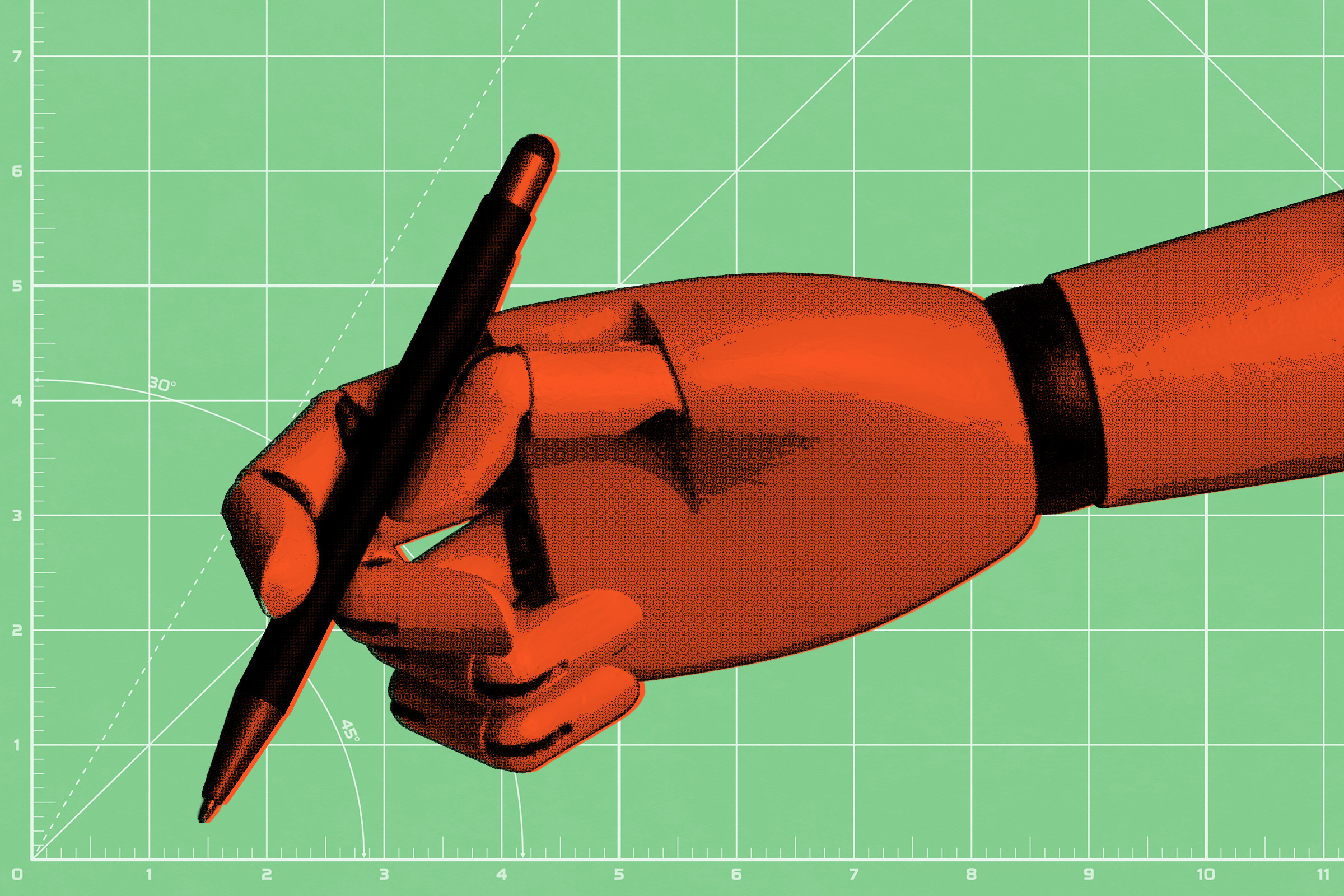
Because now, there's a startup that’s decided to bridge this gap, or maybe widen it in a really fascinating way, depending on your perspective. They're generating 'caring letters' to your friends using AI, and then – get this – handwriting them using a robot pen. Let that sink in for a second. An AI wrote it. A robot penned it. You receive it. And it looks… human.
The Uncanny Valley of Thoughtful Gestures
So, how does this magic – or perhaps, this unsettling trick – actually work? Well, from what I gather, you'd likely feed the system some context. Maybe a few bullet points about your friend, a recent shared memory, a general sentiment you want to convey. The AI, with its vast training data and sophisticated natural language generation capabilities, then crafts a message that sounds genuinely warm, personal, and appropriate. It's not just stringing words together; it's aiming for emotional resonance. It's trying to care, algorithmically speaking.
Then comes the physical part. Imagine a robotic arm, delicately holding a real pen – a ballpoint, a fountain pen, whatever you prefer – and meticulously reproducing that AI-generated text onto paper. It can mimic various handwriting styles, complete with slight imperfections, a natural slant, perhaps even a charming little flourish here and there. The kind of stuff that screams 'human touch.' It’s surprisingly good, too. Like, good enough to fool most people at first glance. Good enough to make you wonder.
Actually, that's not quite right – it's not about fooling, not exactly. It's about delivering the *experience* of a handwritten note, even if the origin story is a bit more silicon than soul. The startup's probably banking on the idea that the recipient will appreciate the tangible effort, the feeling of being remembered, regardless of the behind-the-scenes mechanics. And, honestly, they might be right for a lot of people.
My Own Struggle with 'Genuine'
I'm a tech writer, right? I live and breathe this stuff. I get excited about innovation. But this one... this one tickles a part of my brain that feels a little squirmy. I remember, just last year, I spent a good hour writing thank-you notes after a small gathering. My hand cramped, my pen smudged, I even misspelled a word once and had to restart. It was a pain. But it felt… real. It felt like *my* effort, *my* time, *my* gratitude, imperfectly but genuinely expressed.
Now, imagine I could have just typed a few prompts into a system, clicked a button, and had perfectly penned, emotionally appropriate notes sent out. Would it have saved me time? Absolutely. Would the recipients have felt just as appreciated? Maybe. But would *I* have felt the same satisfaction? I don't think so. The friction, the effort, it was part of the value for me. It was part of the *gift*.
This isn't just about thank-you notes, of course. Think about condolences, congratulations, just-because messages. These are moments steeped in human connection and emotion. Outsourcing that emotional labor, even to a sophisticated AI and a diligent robot, feels like we're treading on some interesting ethical ground. It's a shortcut to thoughtfulness, but does a shortcut diminish the thought itself? This is the core question, isn't it?
The Good, The Bad, and The Really, Really Busy
Let's be fair. There are some genuinely compelling arguments for this kind of service. For people who are incredibly busy – and let's face it, that's a lot of us – but still value personal connection, this is a godsend. It allows them to maintain those personal touches without sacrificing precious hours they don't have. Think about someone managing a huge client list, or a friend group spread across continents, or even just a parent juggling work and family life.
Accessibility is another huge factor. For individuals with dexterity issues, disabilities that make writing difficult, or even severe dyslexia, this technology could be empowering. It allows them to express themselves in a traditional, personal format that might otherwise be impossible. That's a powerful positive, a real positive.
But then there's the flip side, the potential for erosion of authenticity. If everyone starts doing this, does the handwritten note lose its special status? Does it become just another form of mass communication, albeit one with a charming facade? There's also the question of intent. Is the intent truly to express care, or is it to merely *simulate* care for social convenience? And what about the data? Are we feeding intimate details about our friends into an AI for it to synthesize into heartfelt messages? Privacy concerns, anyone?
Plus, let's not forget the potential for misuse. Imagine targeted spam, or even worse, emotionally manipulative messages crafted by AI to exploit vulnerabilities. The line between thoughtful gesture and calculated manipulation could become incredibly thin, disturbingly thin.
Where Do We Draw the Line?
This isn't just about letters; it's a microcosm of a much larger debate we're having with AI right now. From AI-generated art to AI-written articles (ironic, I know, given my job), we're constantly questioning what constitutes 'genuine' creation, 'genuine' thought, 'genuine' emotion. Is the beauty in the output, or in the human effort that went into it? If a robot can mimic the output perfectly, does the human effort still matter as much? Does it?
I don't have all the answers. My brain feels a bit stretched trying to reconcile my love for technological progress with my deeply human yearning for authentic connection. Maybe it's not an either/or. Maybe there's a place for both, where AI can enhance our ability to connect, without replacing the core human sentiment. But where is that line? And who gets to draw it?
So, the next time you get a beautifully penned, heartfelt note in the mail, will your first thought be, 'How lovely!' Or will it be, 'I wonder if a robot wrote this?' And how will that make you feel?
🚀 Tech Discussion:
If you received a truly touching, seemingly handwritten letter, and later found out it was entirely AI-generated and robot-penned, how would that knowledge change your feelings about the gesture? Would you still cherish it, or would it diminish the meaning for you?
Generated by TechPulse AI Engine