
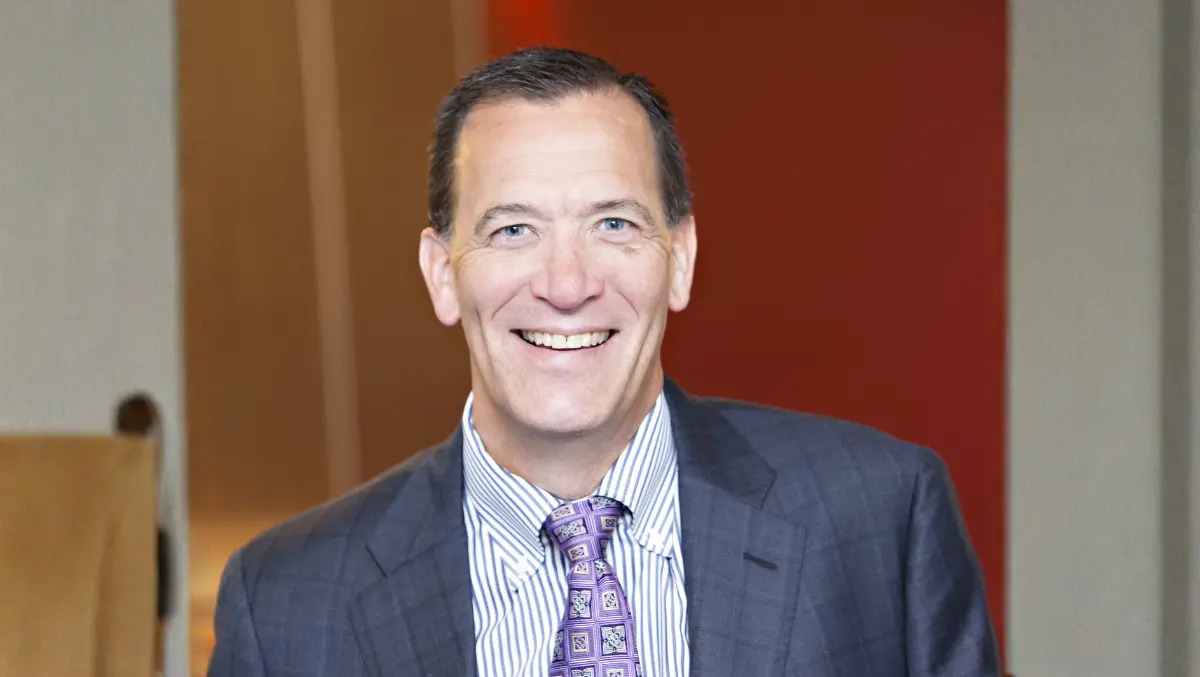
Alright, so you’re probably scrolling through your tech news feed, seeing headlines about the latest AI breakthrough, some mind-blowing gadget, or maybe another startup getting bazillions in funding. And then, there's a headline like this: "Cisco appoints Pete Shimer to board & audit committee." Your eyes might glaze over. Audit committee? Board appointments? Sounds about as exciting as watching paint dry, right?
Honestly, I get it. My eyelids feel a little heavier just thinking about the sheer weight of corporate governance. We tech folks, we like the shiny, the new, the disruptive. But sometimes, the most important shifts happen in the quiet, dusty corners of the boardroom, especially when a titan like Cisco is involved, and especially when it ties directly into their massive push into AI-driven infrastructure. And trust me, this one is kinda brilliant, in its own understated way.
Cisco's AI Ambitions: More Than Just Routers Anymore
Let's set the stage. Cisco. For decades, they've been the plumbing of the internet. Routers, switches, networking gear. The stuff that makes everything *go*. They're foundational. If you've ever worked in IT, or even just used the internet, you've touched something Cisco-made, probably without even realizing it. They’re everywhere, literally.
But the world is changing, rapidly. The network isn't just about moving packets efficiently anymore; it's about intelligence. It's about automation. It's about being predictive, resilient, and secure in ways we couldn't have imagined a decade ago. Enter AI-driven infrastructure. This isn't just a buzzword for Cisco; it’s a strategic imperative. They're talking about networks that can self-optimize, identify and mitigate threats in real-time, anticipate failures, and scale dynamically based on demand. Imagine a sprawling data center, or a global enterprise network, essentially running itself, learning, and adapting. That's the dream. That's the ambition. And honestly, it's pretty darn cool, if you think about the underlying complexity.
This means huge investments. It means re-architecting core products, acquiring new companies, retraining engineers, and fundamentally shifting their business model. It's a massive, multi-year undertaking for a company of Cisco's scale. And with great ambition comes… great risk. Financial risk, operational risk, reputational risk, and a whole new category of ethical and technical risks that AI introduces.
Enter Pete Shimer: The Unsung Hero of Stability
So, where does Pete Shimer, a Deloitte veteran, fit into this high-octane AI narrative? He's joining Cisco's board, specifically the audit committee. And before you fall asleep, let me explain why this is actually *crucial*. Like, genuinely critical.
Think about it. When a company, especially one of Cisco's size and market influence, makes such a profound strategic pivot – sinking billions into R&D, potentially acquiring AI startups, venturing into new service models – the financial stakes are astronomical. You need someone with a keen eye for detail, a deep understanding of financial controls, and a long history of ensuring corporate integrity. Someone who has seen it all, from the inside out, at a firm like Deloitte. That's Pete Shimer.
His appointment isn't just about balancing the books, though that's certainly part of it. It's about robust oversight. It's about ensuring that as Cisco pushes into the frontier of AI, they're doing so responsibly. That the money is being spent wisely. That the investments are sound. That the new revenue streams are sustainable. That the risks, both known and unknown (and with AI, there are *many* unknown unknowns), are being properly identified, assessed, and mitigated. Audit. Audit, audit, audit. It’s the bedrock, the foundation, the stuff that prevents companies from flying too close to the sun.
The Unseen Risks of AI and the Need for Scrutiny
Let's talk about those AI risks for a moment. It's not just about spending money. It's about the inherent complexities. How do you audit an AI algorithm for bias? How do you ensure the data feeding these AI systems is secure and compliant? What are the regulatory implications of AI making automated decisions within critical infrastructure? These aren't simple questions, and they stretch far beyond traditional financial auditing.
While Pete Shimer's background is in finance and traditional audit, his presence on the board means that these questions will get asked at the highest level. It means the "boring" stuff – compliance, governance, risk management – gets amplified precisely when the "exciting" stuff – cutting-edge AI – is taking center stage. It's a check and balance. A crucial one. Because if AI infrastructure goes wrong, it doesn't just mean a financial hit; it means potential disruption to entire industries, even nations. Cisco's infrastructure is *that* important.
I remember a few years back, talking to a friend who worked in IT for a major bank. They were migrating to a new network architecture, and the sheer volume of compliance checks, security audits, and financial oversight required was staggering. And that was *before* we were talking about AI taking over significant chunks of network management. The complexity multiplies exponentially. Having someone like Shimer on board isn't just a good idea; it's a strategic necessity.
Implications: Stability, Trust, and the Future of AI Governance
So, what are the bigger implications here? Well, for one, it signals Cisco's seriousness about its AI pivot. They're not just throwing money at it; they're putting in place the guardrails to ensure it's a sustainable, trustworthy, and responsible transformation. This should instill confidence in investors, customers, and even regulators. In a world increasingly wary of AI's unchecked power, showing a commitment to robust oversight is a powerful statement.
Also, it highlights an evolving trend in corporate governance. Boards aren't just for the "old guard" anymore. They need specialized expertise, not just in finance, but in cybersecurity, emerging technologies, and ethical AI. While Shimer brings a traditional finance background, his experience ensures that the fundamental principles of good governance are applied to these new, complex domains. It's a recognition that the "boring" parts of running a company are more intertwined with cutting-edge tech than ever before.
Is one person enough to manage all the intricacies of auditing AI? Probably not entirely, but it's a significant step. It strengthens the team, adds a layer of scrutiny, and ensures that the financial and operational integrity of Cisco's ambitious AI strategy remains paramount. It's a move that prioritizes stability and trust in a domain that's often characterized by rapid, sometimes chaotic, innovation. And that, my friends, is actually pretty brilliant.
It makes me wonder, as AI becomes more and more embedded in our critical infrastructure, how will the very definition of "audit" and "governance" continue to evolve? What kind of expertise will boards need five, ten years from now, when AI is not just assisting, but autonomously running vast swathes of our digital world?
🚀 Tech Discussion:
What are your thoughts on integrating deep financial oversight with cutting-edge AI development? Do you think this kind of appointment will become more common as tech companies push further into AI, or is it just business as usual for a company of Cisco's size?
Generated by TechPulse AI Engine